Indianapolis Meetings and Events
Indianapolis has quietly become one of the Midwest’s most reliable destinations for meetings and events of all sizes. With a walkable downtown core, extensive convention infrastructure, and a hospitality industry that continues to invest billions in new facilities, the city offers planners something increasingly rare: simplicity without compromise.
Whether you’re organizing a 20-person board retreat or a convention drawing thousands, Indianapolis delivers the venues, connectivity, and support services that make execution straightforward.
Key Takeaways
- Indianapolis offers a highly walkable, connected meetings district centered on the Indiana Convention Center and Lucas Oil Stadium, with thousands of hotel rooms linked by climate-controlled skywalks.
- Planners can choose from large convention venues, historic downtown landmarks, boutique hotels, and unique spaces like rooftops and galleries to fit events from 10 to several thousand guests.
- Indy’s ease of access via Indianapolis International Airport, drivable Midwest location, and straightforward logistics simplify transportation, setup, and attendee movement.
- The city continues to invest billions of dollars in meeting infrastructure, including convention center expansions, new headquarter hotels, and upgraded tech and AV in venues.
- This guide will walk you through why to choose Indianapolis, key facilities and neighborhoods, sample event types, and practical tips for planning memorable meetings and events.
Why Choose Indianapolis for Meetings and Events
Central Midwest Hub
Indianapolis functions as a central Midwest hub with a compact downtown, strong convention infrastructure, and a growing reputation for hosting national associations, corporate meetings, and citywide events. The city’s layout was practically designed for the meetings industry—major venues, hotels, and restaurants cluster within a walkable radius that keeps attendees engaged rather than exhausted.
Convention Campus Overview
The downtown convention campus anchors this ecosystem. The Indiana Convention Center and Lucas Oil Stadium sit at the heart of the district, with short walking distances connecting main venues to hotels, dining, and entertainment. Attendees can move from morning sessions to lunch to evening receptions without ever needing a shuttle or rideshare.
Recent Investments
This infrastructure didn’t happen by accident. Indianapolis has committed nearly $3 billion in convention-related investments over the past two decades. Recent developments include a $155 million expansion approved in 2020 that will add a 50,000-square-foot ballroom, 93,500 square feet of new meeting and pre-function space, and two high-rise hotels with a combined 1,400 rooms. These projects signal the city’s long-term commitment to serving planners and their guests.
Practical Advantages
For organizers, the advantages are practical:
- Reduced transit time between sessions and accommodations
- Simpler logistics for move-in, setup, and breakdown
- Easier wayfinding for attendees navigating between events
- More opportunities for organic networking in shared hotel lobbies and public spaces
Proven Track Record
Indianapolis has earned its credentials through experience. The city has successfully hosted complex, high-attendance gatherings including the NCAA Men’s Final Four, Big Ten Football Championship, and major medical and association conventions. That track record means venue teams understand the demands of large-scale events and can anticipate challenges before they become problems.
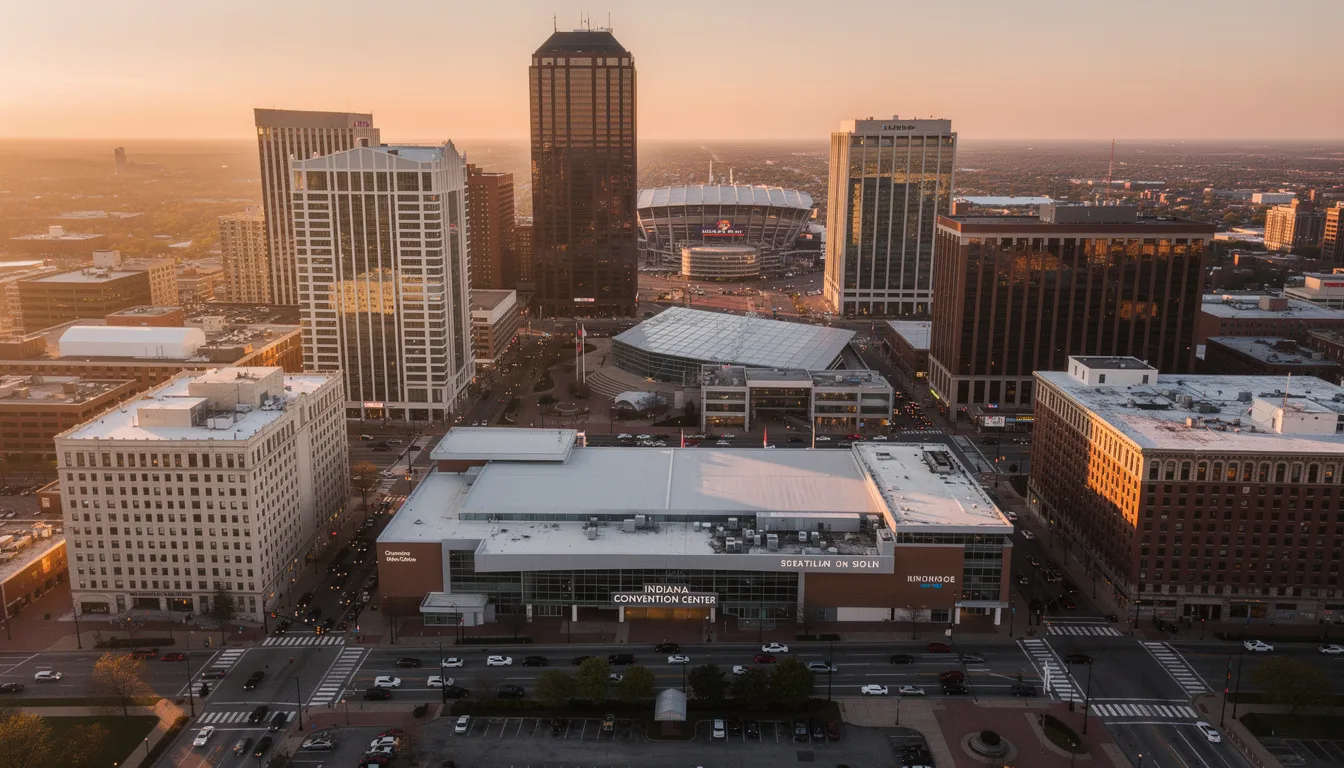
Downtown Meetings Campus: Convention Center and Connected Hotels
Most large-scale Indianapolis meetings center around downtown’s convention and stadium complex, where venues and hotels connect through indoor walkways that keep attendees comfortable regardless of weather conditions.
The Indiana Convention Center serves as the city’s primary convention hub. The facility offers 566,600 square feet of contiguous exhibit space distributed across 11 exhibit halls, 71 meeting rooms, and three multi-purpose ballrooms. The Sagamore Ballroom spans approximately 33,335 square feet, while the 500 Ballroom accommodates 1,500 attendees in theatre-style seating or 1,040 for banquet configurations. All exhibit halls feature 35-foot ceilings and are virtually column-free, providing flexible configuration options for trade shows, annual meetings, and expos.
Lucas Oil Stadium attaches directly to the convention center, adding approximately 183,000 square feet of exhibition space. The stadium can handle large general sessions, product launches, and special events with seating that ranges from 67,000 for major events down to more intimate configurations of 15,000. The indoor connection between the stadium and convention center allows weatherproof movement for attendees, which matters significantly during Midwest winters.
The skywalk system represents one of Indianapolis’s most distinctive advantages. The network links the convention center to 12 hotels offering 4,700 guest rooms—the most extensive skyway hotel connections of any U.S. convention center. Connected properties include the Westin Indianapolis, Hyatt Regency Indianapolis, and Indianapolis Marriott Downtown. During winter months or inclement weather, attendees can walk from their hotel room to sessions to evening receptions without stepping outside.
This campus layout enables “park-once” events where attendees can move through multi-day programs entirely on foot. The result: reduced shuttle costs, simplified daily schedules, and more time for what actually matters—the content and connections that bring people together.
Indianapolis Meeting Facilities and Neighborhood Venues
Indianapolis offers a spectrum of event venues: historic buildings, boutique hotels, cultural institutions, and modern event centers in and around downtown. This variety allows planners to match venue character to event objectives.
Downtown Hotel Meeting Venues
Downtown hotel meeting venues provide options across capacity ranges. Many properties offer ballrooms that accommodate groups of 150-200 for galas or large presentations, natural-light boardrooms for executive sessions of 10-20, and mid-size meeting rooms for 40-60 person trainings or workshops. These spaces typically include built-in AV, dedicated catering teams, and staff experienced in corporate event execution.
Unique Downtown Spaces
Unique downtown spaces add character for events that need to stand out. Rooftop venues with skyline views work well for VIP receptions and evening networking. Private lounges and penthouse-style rooms suit leadership retreats and small group strategy sessions. Historic buildings offer architectural distinction for events where atmosphere matters as much as function.
Neighborhood-Based Venues
Neighborhood-based venues in areas like Fountain Square, Broad Ripple, and the Near North side appeal to planners seeking off-site dinners, creative breakouts, or social gatherings that showcase local character. These areas feature converted warehouses, art galleries, craft breweries, and chef-driven restaurants that create memorable settings beyond the typical hotel ballroom.
Suburban and Regional Options
Suburban and regional options in communities like Fishers and Carmel handle large weddings, nonprofit galas, and conferences with ample parking and easy interstate access. These venues often offer competitive pricing and fewer date restrictions compared to downtown properties.
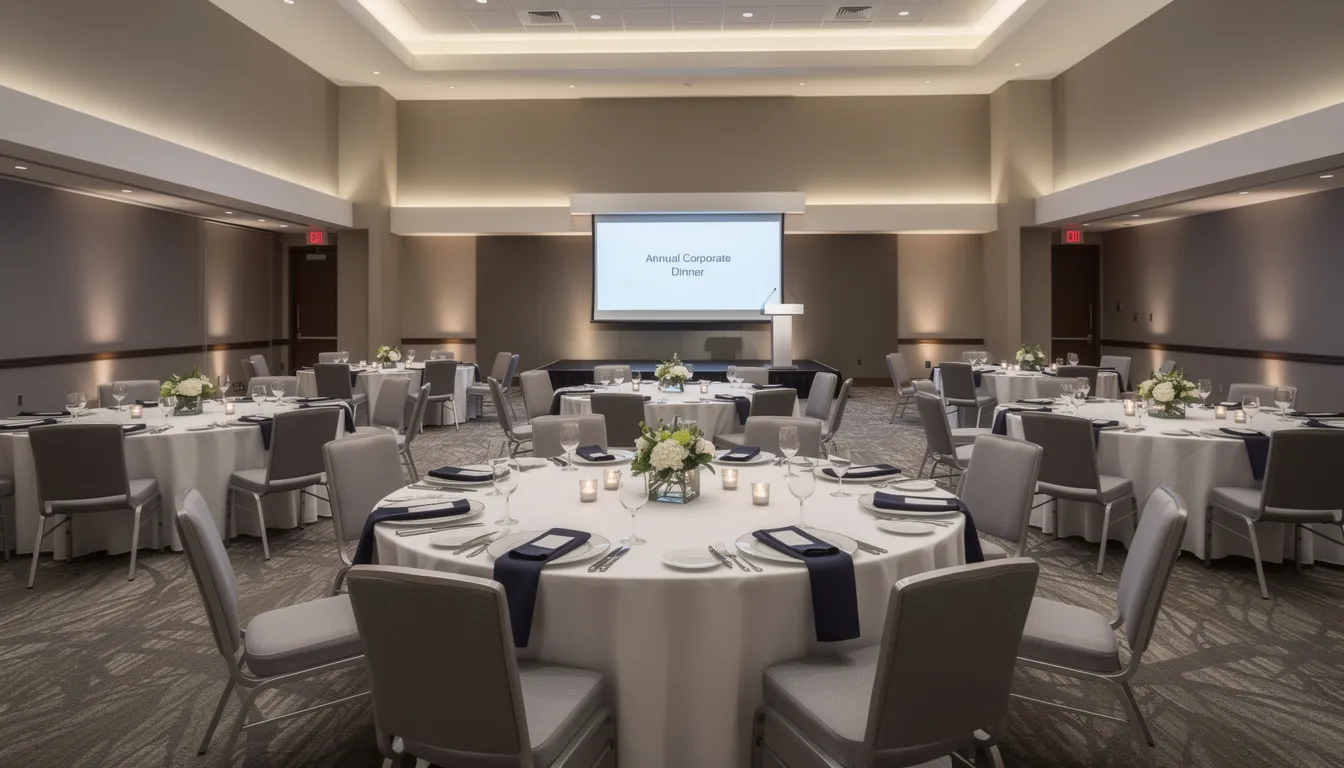
Types of Events Indianapolis Handles Well
- Corporate Meetings: Indianapolis excels at executive board sessions, regional sales meetings, and product trainings that use hotel meeting rooms, boardrooms, and mid-size conference spaces. The city’s central location makes it accessible for teams distributed across the Midwest, while downtown’s walkability keeps attendees focused rather than scattered. Built-in tech in most venues supports presentations, video conferencing, and hybrid participation without extensive outside vendor coordination.
- Association Conferences and Citywide Conventions: Large exhibit halls, plenary spaces accommodating nearly 19,000 in theatre-style seating, and nearby hotels make Indianapolis well-suited for multi-day programs with expos, education tracks, and evening receptions. The convention center’s 49 loading docks and seven drive-in ramps simplify exhibitor logistics, while the skywalk system keeps attendees connected to their hotel rooms throughout programming.
- Social Events and Galas: Ballrooms, historic halls, and flexible event centers provide settings for fundraisers, awards banquets, holiday parties, and alumni gatherings. The variety of venue sizes means nonprofit organizations and corporate groups can find spaces that fit their guest count without paying for unused capacity. Many venues offer in-house catering and event coordination to streamline planning.
- Weddings: Downtown ballrooms, historic buildings, rooftops, and suburban event centers offer ceremony and reception spaces with capacities ranging from intimate 50-guest celebrations to 250-plus receptions. The wedding infrastructure in the Indianapolis area has matured significantly, with experienced vendors, planners, and venues that understand the specific demands of wedding day logistics.
Planning Your Indianapolis Meeting or Event
Planning in Indianapolis is streamlined due to compact geography, experienced venue teams, and clear support services for organizers. The city’s familiarity with events of all sizes means fewer surprises and more responsive vendor partnerships.
Timeline Considerations
- For mid-size conventions or large meetings, plan to secure space 12-18 months ahead of your preferred dates, particularly for peak spring and fall seasons.
- Major sports weekends (Indianapolis 500, Big Ten events) and citywide conventions can limit availability, so early planning prevents unnecessary compromises on dates or venues.
Venue Selection Steps
Before requesting proposals, define your requirements clearly:
- Attendance: How many guests will attend? What’s the range if uncertain?
- Room Setup: Do you need theatre, classroom, banquet, or reception configurations?
- Tech Requirements: Will you need hybrid capabilities, livestreaming, or complex AV?
- Location Preference: Is downtown walkability essential, or would a suburban venue with parking work better?
- Budget Range: What’s your target spend on venue, catering, and AV combined?
AV and Technology Planning
- Most major hotels and the convention center offer built-in projection, high-speed internet (the convention center provides 100 Mbps bandwidth), and partnerships with AV vendors capable of supporting livestreams or virtual attendees.
- For hybrid events, discuss technical requirements during initial site visits rather than assuming capabilities.
- On-site tech staff can often support complex setups, but early coordination prevents day-of complications.
Local Partner Coordination
Planners unfamiliar with Indianapolis should work with local destination services teams for assistance with room blocks, off-site venue recommendations, transportation logistics, and attendee resources. These partnerships can save significant time and often unlock preferred rates or availability that wouldn’t surface through independent research.
Sample One-Day Downtown Meeting Flow
Consider a corporate meeting for 120 regional sales team members held at a downtown Indianapolis hotel.
Attendees arrive in the morning, with most walking from connected hotels or taking short rideshare trips from the airport. Check-in and coffee service happen in the foyer outside the main ballroom, where name badges and materials wait on registration tables. The general session kicks off at 9:00 AM in a ballroom with theatre-style seating, built-in projection, and wireless microphones for presenters.
Mid-morning, the group breaks into four smaller sessions in meeting rooms on the same floor. Each room holds 30 people in classroom configuration, with flipcharts and tabletop displays for interactive workshops. The proximity means no one gets lost navigating unfamiliar hallways, and facilitators can move between rooms to check on progress.
Lunch is catered in the foyer, with buffet stations that encourage mixing between teams. Afternoon sessions reconvene in the main ballroom, this time with a hybrid component—remote team members join via video for a product update and Q&A. The hotel’s AV team manages the livestream while the meeting organizer focuses on content.
The day concludes with an evening reception at a nearby rooftop venue offering skyline views of downtown. Attendees walk five minutes from the hotel, enjoy two hours of networking with passed appetizers and a local craft beer selection, then return to their rooms via indoor corridors. No shuttles, no confusion, no attendees stranded waiting for transportation.
Accessibility, Transportation, and Logistics
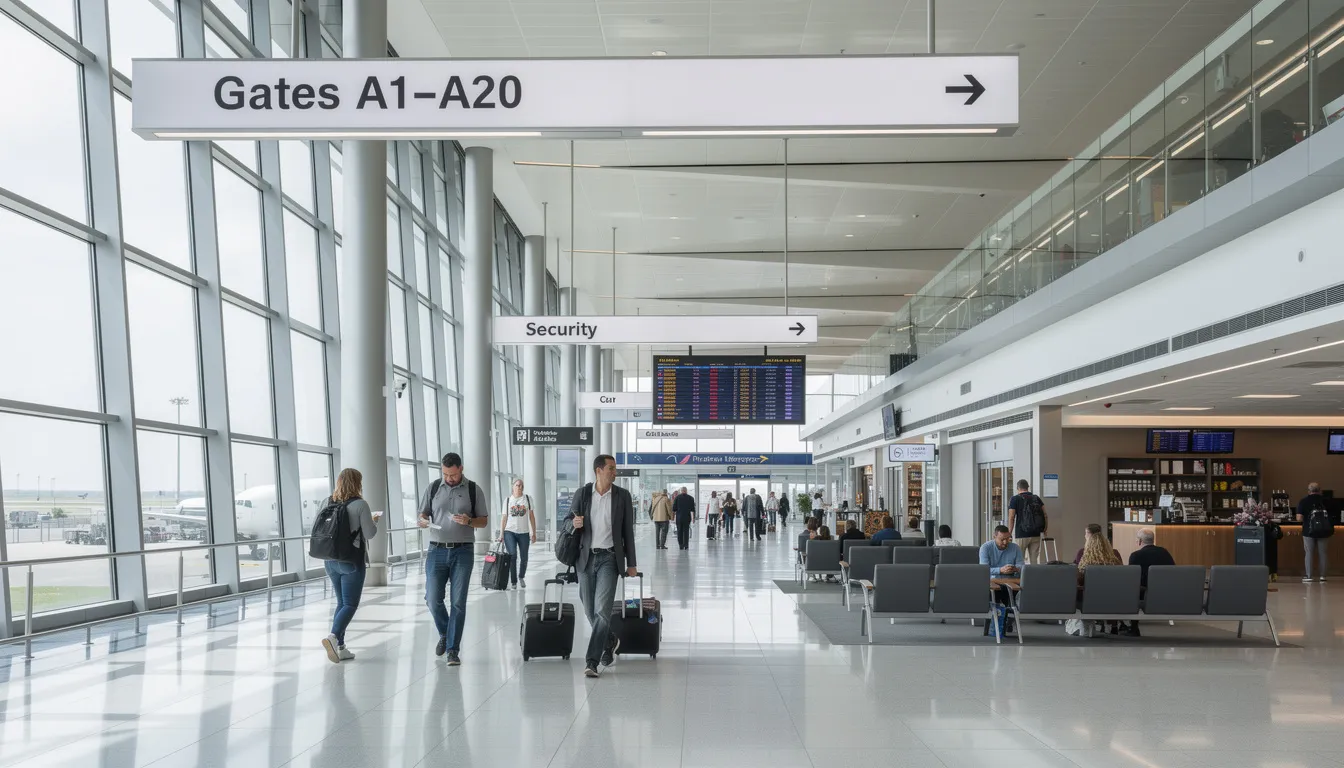
Indianapolis is intentionally designed for easy access, serving both regional drive-in attendees and those arriving by air through Indianapolis International Airport.
Air Travel
Indianapolis International Airport sits approximately 15-20 minutes from downtown in typical traffic conditions. Transportation options include:
- Rideshare services (Uber and Lyft operate regularly)
- Taxi service from the ground transportation area
- Hotel shuttles for connected properties
- Charter buses for larger groups arriving together
The airport consistently ranks among the best in the country for passenger experience, with straightforward navigation that reduces arrival stress for attendees.
Regional Driving
Indianapolis’s central Midwest location makes it drivable for attendees from major cities:
|
City |
Approximate Drive Time |
|---|---|
|
Chicago |
3 hours |
|
Louisville |
2 hours |
|
Cincinnati |
2 hours |
|
St. Louis |
4 hours |
|
Columbus |
3 hours |
Interstate connectivity (I-65, I-70, I-69) provides direct routes from multiple directions, and traffic congestion is manageable compared to larger metro areas.
Parking
Downtown parking options include hotel garages (often with event rates), public parking structures, and street parking for shorter visits. Many suburban and regional event centers offer free or low-cost parking with plenty of spaces, which can be a factor for events drawing primarily local or regional attendees.
Accessibility for All Attendees
The city’s flat, walkable downtown core benefits attendees with mobility needs. Major venues are ADA-compliant with elevator access, accessible restrooms, and accommodations for service animals. The skywalk system provides an additional accessibility advantage, eliminating weather barriers and reducing outdoor walking distances. When coordinating events, venue teams can advise on accessible room setups, sightlines, and assistive listening devices.
Enhancing the Attendee Experience in Indianapolis
Meetings are more effective when attendees can explore and enjoy the destination outside of sessions. Indianapolis offers plenty of nearby attractions that require minimal planning to access, making it easy to create well-rounded event experiences.
Downtown Attractions
Key downtown draws sit within walking distance of most hotels:
- Monument Circle, the city’s central landmark and gathering space
- Canal Walk for outdoor breaks and evening strolls
- White River State Park with museums, green space, and seasonal events
- Professional sports venues including Gainbridge Fieldhouse and Victory Field
These attractions provide natural opportunities for attendee downtime and informal networking without requiring organized transportation.
Dining and Nightlife
The area surrounding the convention district includes locally owned restaurants, craft breweries, and live-music spots that work well for dine-arounds and informal gatherings. Planners can create restaurant lists for attendees or organize group dinners at venues that accommodate groups of various sizes. The density of options means last-minute reservations are often possible, and dietary restrictions can usually be accommodated.
Team-Building and Off-Site Activities
Consider enhancing your program with group experiences:
- Neighborhood food tours exploring local culinary scenes
- Private museum events or gallery receptions
- Brewery or distillery tours with tasting experiences
- Creative workshops hosted in unique venue settings
- Outdoor activities in White River State Park
Weaving in Local Character
The most memorable events connect with their destination. Consider local entertainment for receptions, regional cuisine in your catering selections, and partnerships with Indianapolis-based vendors, artists, or nonprofit organizations. These touches help attendees remember where they were and create positive associations with both the event and the city.

FAQ
When is the best time of year to host a meeting or event in Indianapolis?
Spring (April-May) and fall (September-October) are especially popular for meetings due to mild temperatures and comfortable walking weather. These seasons offer pleasant conditions for attendees exploring downtown between sessions. Winter events benefit from the indoor skywalk system, which keeps attendees connected to hotels and venues regardless of weather. Winter months also typically offer stronger venue availability and potentially better rates due to reduced demand.
How far in advance should I book meeting space in downtown Indianapolis?
Large conventions and citywide events often book 18-24 months ahead to secure preferred dates and sufficient hotel room blocks. Mid-size corporate meetings should plan for 9-12 months of lead time, especially for popular spring and fall dates. Smaller board meetings or retreats can sometimes secure space within a few months depending on the specific dates and flexibility on venue choice. Major sports events and conventions can limit availability during certain weekends, so confirming your dates against the city’s event calendar is advisable.
Can Indianapolis support hybrid or virtual-enabled events?
Most major hotels, the convention center, and many dedicated event venues offer high-speed internet, built-in projection, and partnerships with AV vendors capable of livestreams, video recording, and two-way virtual participation for remote attendees. The convention center provides 100 Mbps bandwidth, though bandwidth requirements for complex hybrid events should be discussed during the planning process. On-site tech staff at major venues can support setup and troubleshooting, making hybrid execution more manageable than at less experienced properties.
Are there budget-friendly meeting options in Indianapolis?
The city offers a range of price points across its venue portfolio. Upscale downtown hotels and historic venues serve premium events, while more economical suburban event centers and neighborhood spaces provide alternatives for cost-conscious planners. Suburban venues often include parking in their rates and may offer more competitive catering minimums. Working with destination services teams can help identify venues that align with your budget while still meeting quality expectations. Off-peak dates (winter months, mid-week) may also offer rate advantages.
What support is available for out-of-town planners unfamiliar with the city?
Planners can connect with local destination experts and venue sales teams who assist with site selection, room blocks, local vendor recommendations, logistics planning, and attendee resources such as maps, restaurant lists, and visitor guides. These services are typically provided at no cost to meeting planners and can significantly reduce the learning curve for those new to Indianapolis. Site visits can be arranged to tour multiple venues efficiently, and experienced local planners can advise on realistic timelines, vendor reliability, and seasonal considerations specific to the market.